News Architecture
A high-level framework for the news ecosystem
Used by the world's leading news organisations
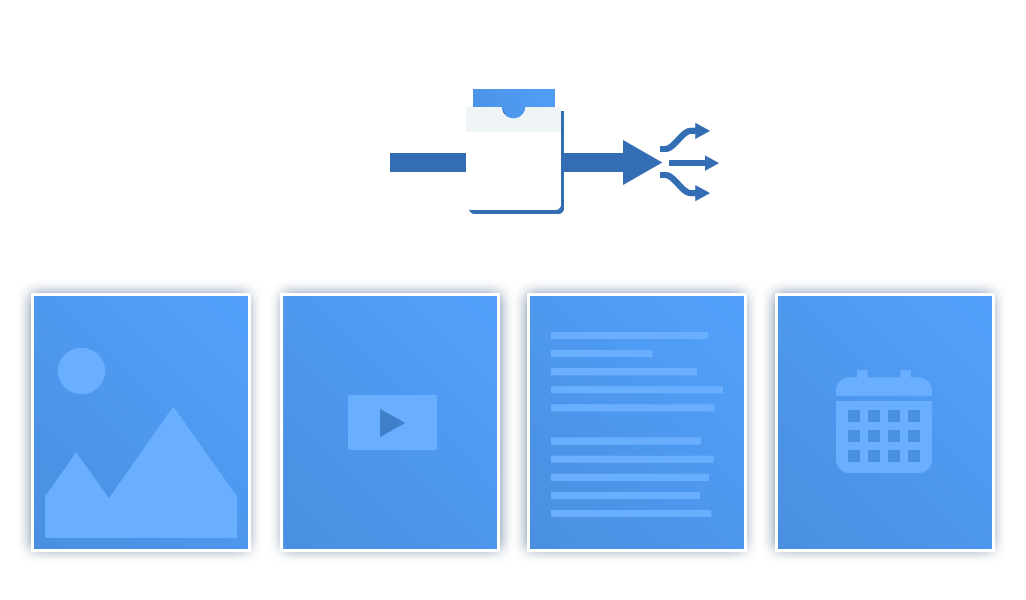
The IPTC News Architecture is a high-level framework for the news ecosystem. It defines the concepts, relationships and processes that power news creation, distribution and consumption.
Developed over 20 years by many of the world’s biggest and most prestigious news organisations, the IPTC News Architecture has stood the test of time and has proven that it can be adapted to many different news contexts – from press releases to live breaking news to interactive experiences, and everything in between.
The IPTC News Architecture (NAR) is…
- Flexible – the same basic concepts can be adapted and re-used for many different contexts and different types of news content
- Platform independent – the main standard implementing the NAR is IPTC’s NewsML-G2, implementing using XML, but all IPTC standards fit into the framework, including SportsML, ninjs (News in JSON), rNews (IPTC’s semantic web model for news), the NewsCodes and even parts of the IPTC Photo Metadata Standard.
- Progressive – the level and richness of detail can be adjusted according to users’ needs.
- Always evolving – the IPTC News Architecture Working Group continuously updates and maintains the standard, ensuring that it can support new developments in the news industry. For example, some of the latest enhancements include support for trust and credibility in news reporting, created in collaboration with The Trust Project and RSF’s Journalism Trust Initiative.
Upcoming Events
-
IPTC Photo Metadata Conference 2026 (open to the public)
- Location
- Online
- Date(s)
- Autumn 2026 TBC
-
IPTC Autumn Meeting 2026 (for IPTC members)
- Location
- Online
- Date(s)
- 19 - 21 October 2026
-
IPTC Spring Meeting 2027 (for IPTC members)
- Location
- To be confirmed
- Date(s)
- 12 - 14 April, 2027
Latest News
The IPTC has launched Metawatch, a free, open monitor that checks every month whether more than 500 news publishers in 122 countries keep the credits, captions and rights information embedded in their photographs. The first results show how little has changed since 2018, which publishers have fixed their sites, and why keeping metadata matters more […]